Light & timing
June Gloom and your wedding photos: why gray can be good
If you are planning a late spring or early summer wedding on the Southern California coast, someone has probably warned you about June Gloom. The sky can stay gray and low for days, and couples who pictured bright blue skies get nervous. We understand. But after a decade of photographing coastal weddings, we have come to see the marine layer as one of the most flattering light sources we get to work with. Here is what it is, what it does to your photos and how to plan around it.
What May Gray and June Gloom actually are
May Gray and June Gloom are local nicknames for the low clouds that settle over the coast in late spring and early summer. The ocean off Southern California is cold, and it cools the air right above it. That cool, moist air gets trapped under a layer of warmer air higher up, a setup called an inversion. The warm air acts like a lid, and the moisture underneath forms fog or a flat deck of stratus clouds.
The clouds hang on until enough heat mixes the layers together. Some days that happens by late morning. Some days it happens in the afternoon. Some days it does not happen at all, especially right at the beach. As the ocean warms through the summer, the inversion weakens, and low clouds usually become less widespread by July and August.
What overcast does to light
On a clear day, the sun is a small, hard light source. It creates sharp shadows under eyes and noses, makes people squint and can blow out the detail in a white dress. Midday sun is the hardest to work with.
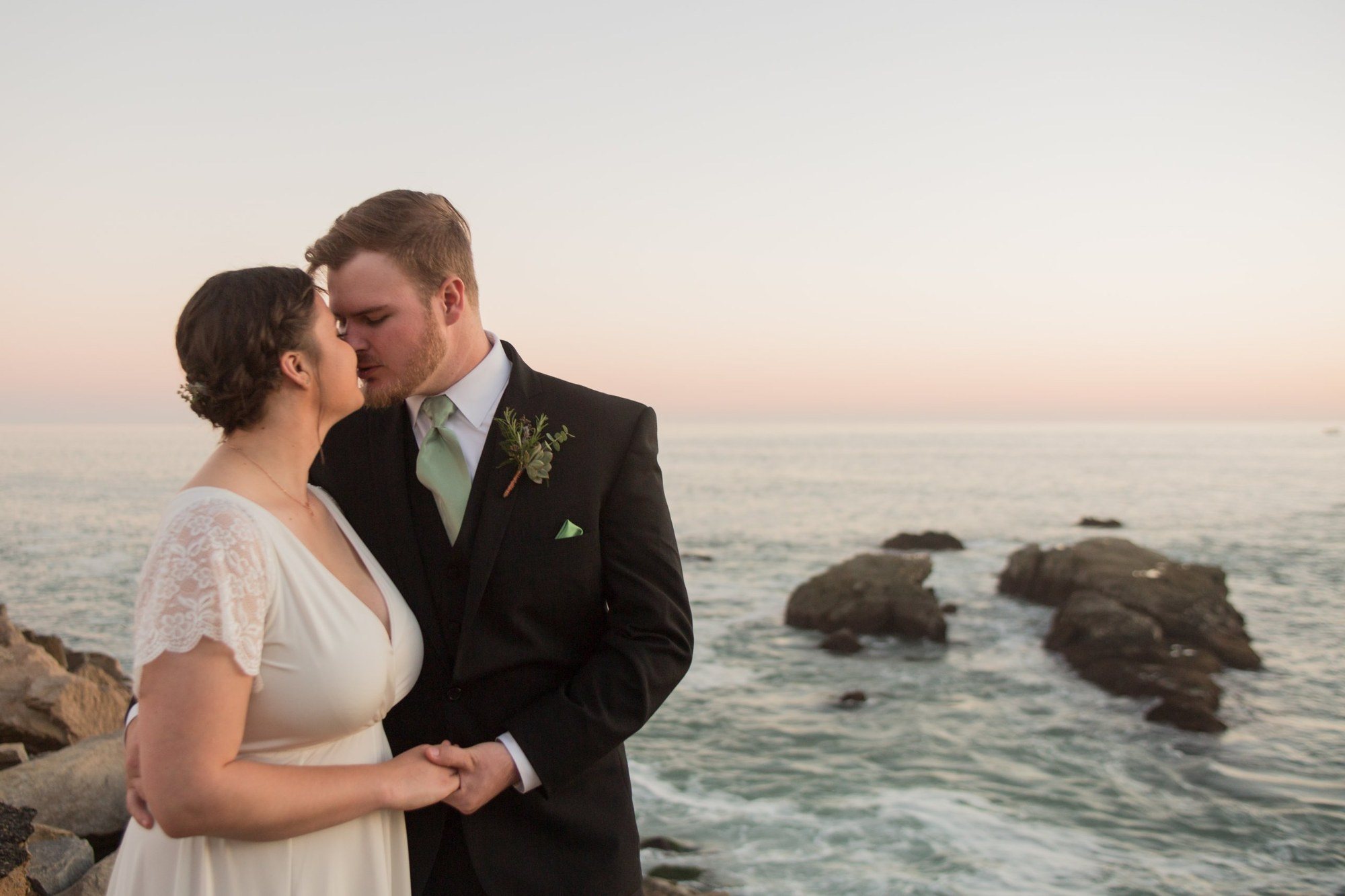
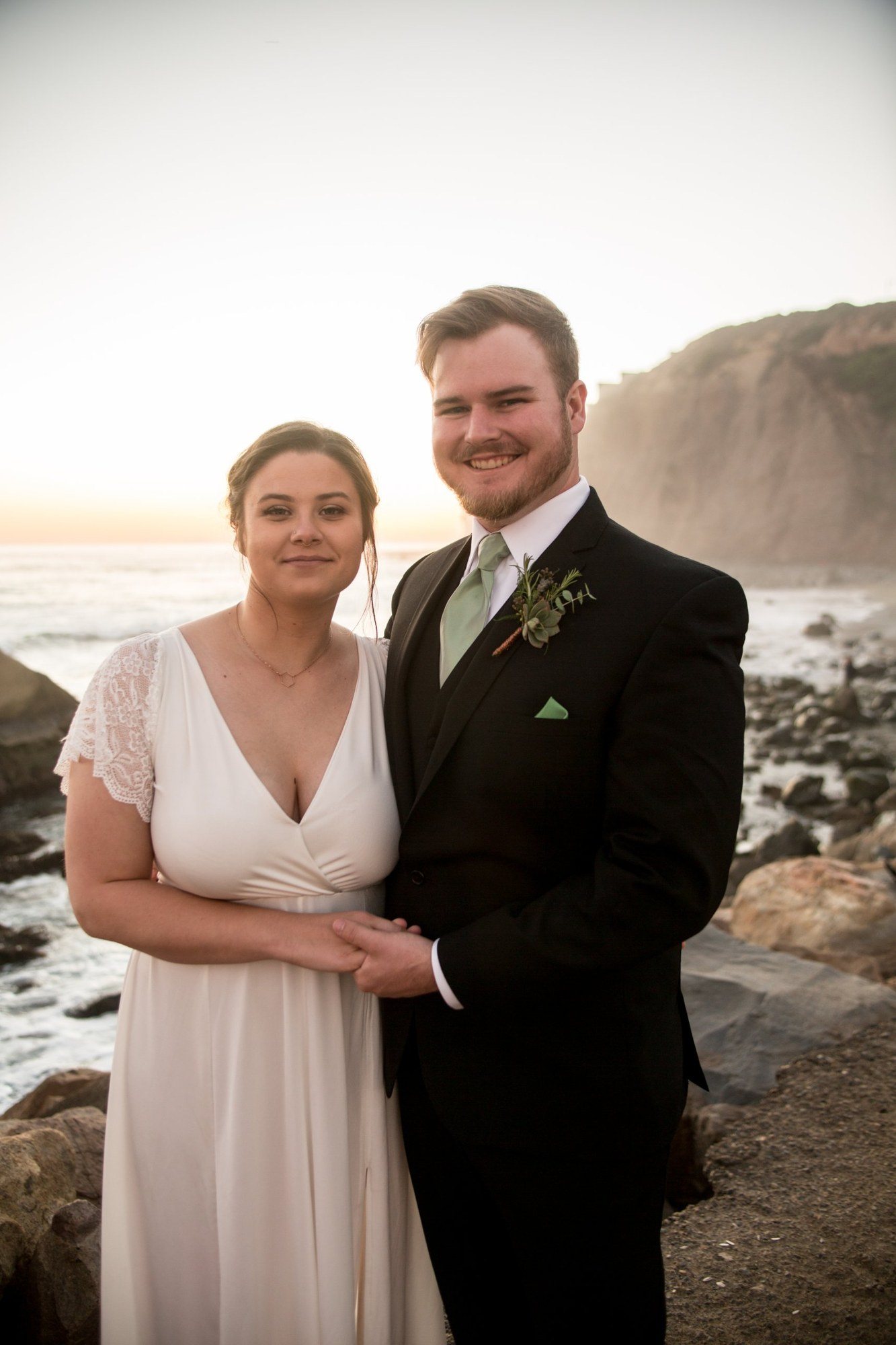
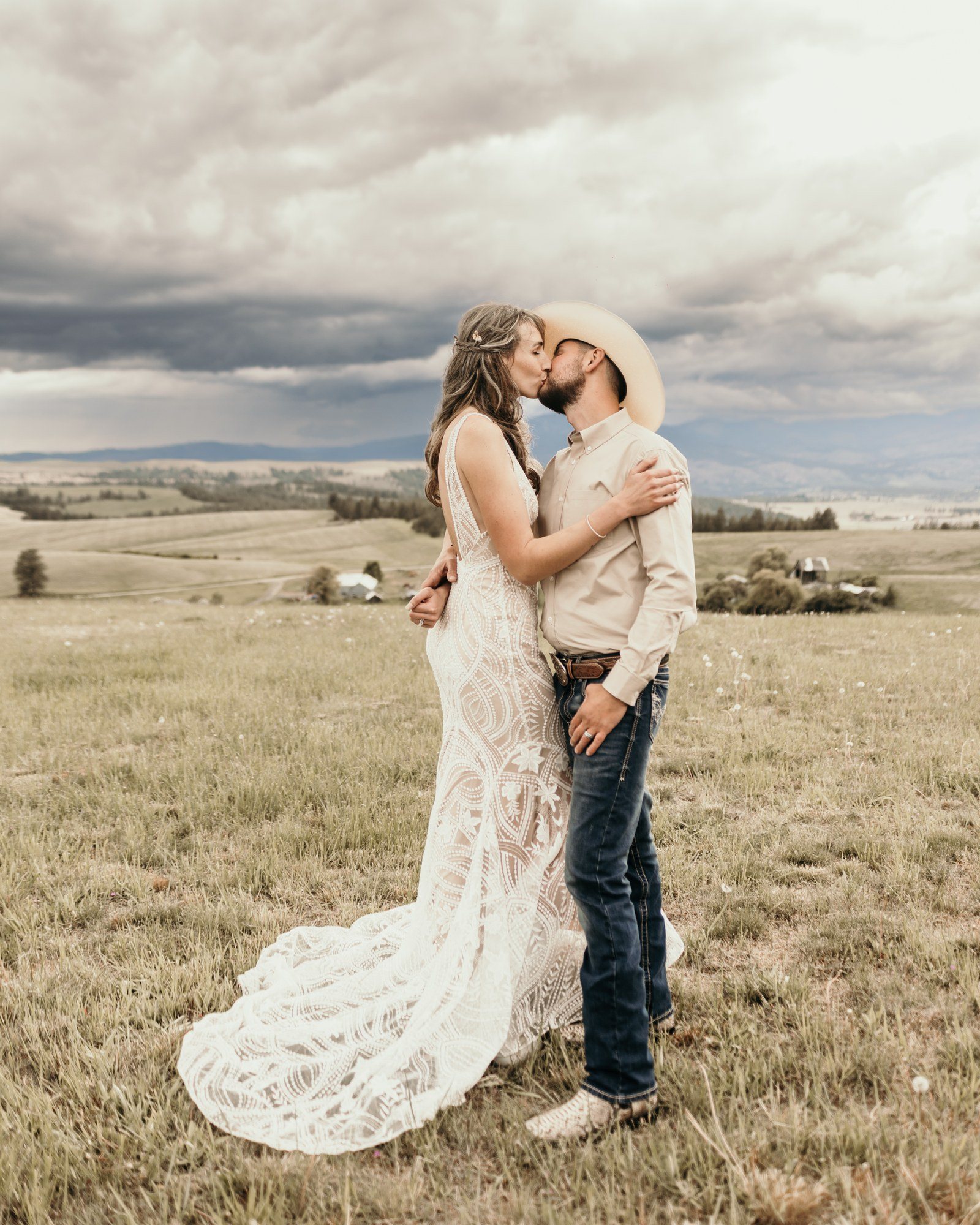
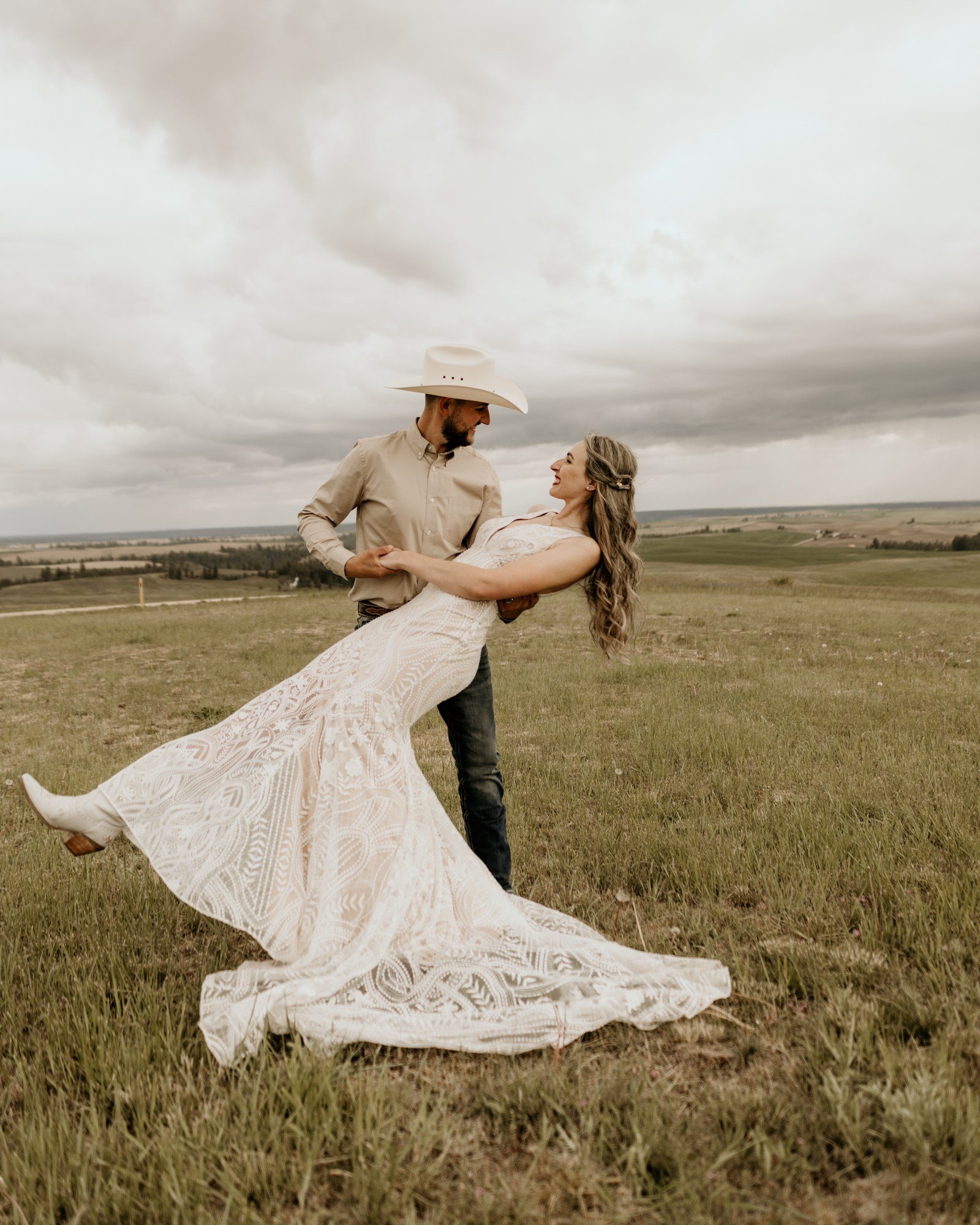
A marine layer turns the whole sky into one enormous softbox. The light wraps around faces, shadows go soft and the contrast between a white gown and a dark suit becomes much easier to hold in a single frame. Instead of hunting for shade, we can photograph you almost anywhere, facing almost any direction.
It also opens up the schedule. On a sunny coastal day, we often wait for the last hour before sunset for the most flattering portraits. Under a steady overcast, the light at 2 p.m. can look a lot like the light at 6 p.m., which takes pressure off the whole timeline.
Why we like it for skin tones and details
- Even skin tones. Soft light is forgiving and smooths out harsh shadows without heavy retouching.
- No squinting. Relaxed eyes make for more natural expressions, especially in family formals.
- Better dress detail. Lace, beading and texture in white fabric hold up well without bright highlights.
- Calm, cohesive color. The ocean, sand and greenery take on a muted, editorial palette that ages well.
- Comfortable guests. Cooler temperatures mean fewer people fanning themselves during the ceremony.
The trade-offs are real. You will not get a fiery sunset on a fully socked-in evening, and very thick fog can flatten distant views of the coastline. We plan for both outcomes so neither one catches you off guard.
Coast versus inland
The marine layer is a coastal pattern. Beach towns like Laguna, Newport and La Jolla tend to see it most. Head a few miles inland and the clouds often break up earlier, and some days the change happens between one freeway exit and the next.
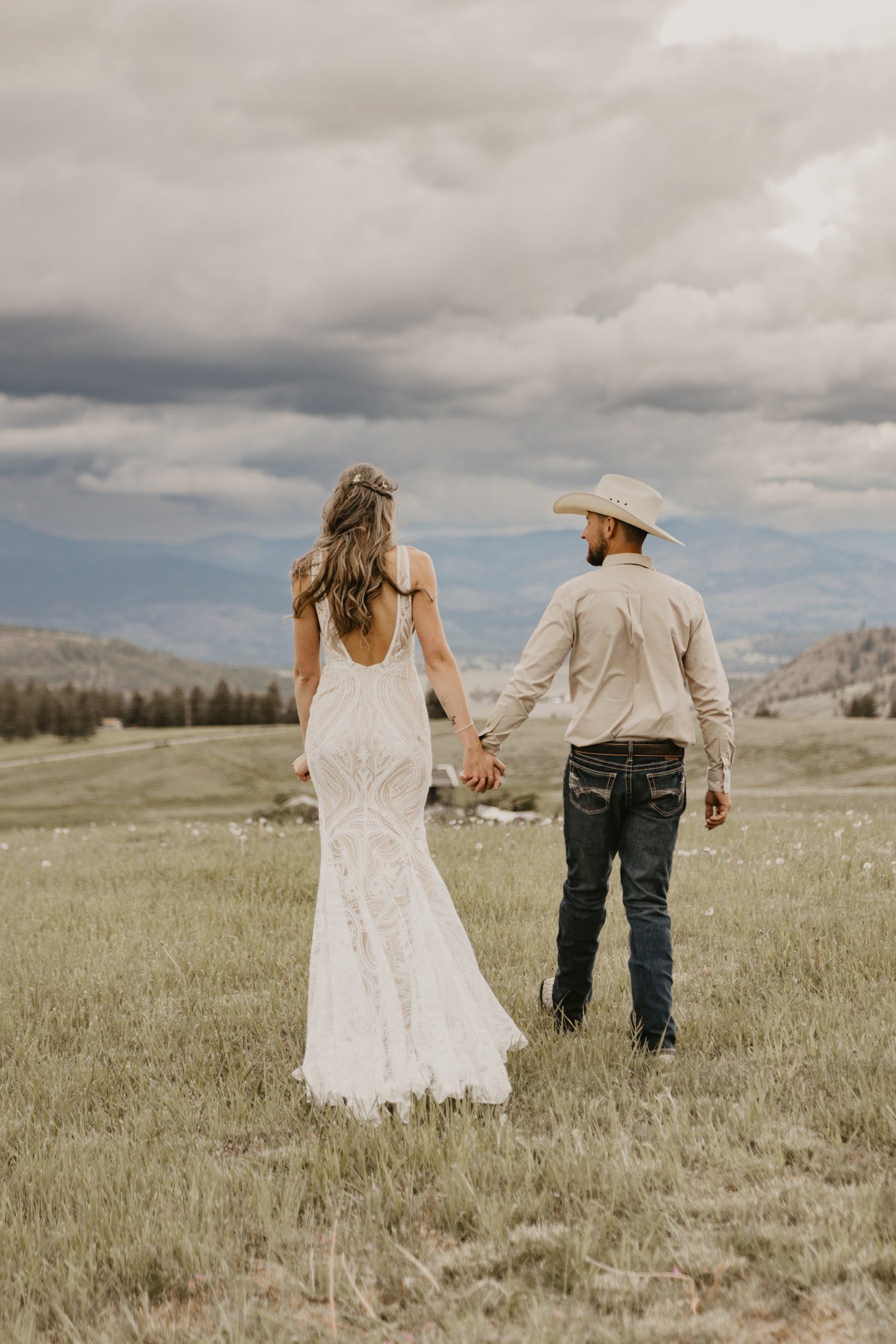
That means a couple getting ready inland can walk outside to sunshine and arrive at a cliffside ceremony under a gray sky. If you have your heart set on sun, an inland or foothill venue in late spring gives you better odds. If you love the beach, plan for soft light and treat any sun as a bonus.
Planning your timeline around it
We do not build a June timeline around a forecast. We build one that works in either kind of light.
- Keep a portrait window in the last hour before sunset, in case the clouds clear and the light warms up.
- Plan a second portrait window earlier in the day, such as after a first look, so you are covered if the evening stays gray.
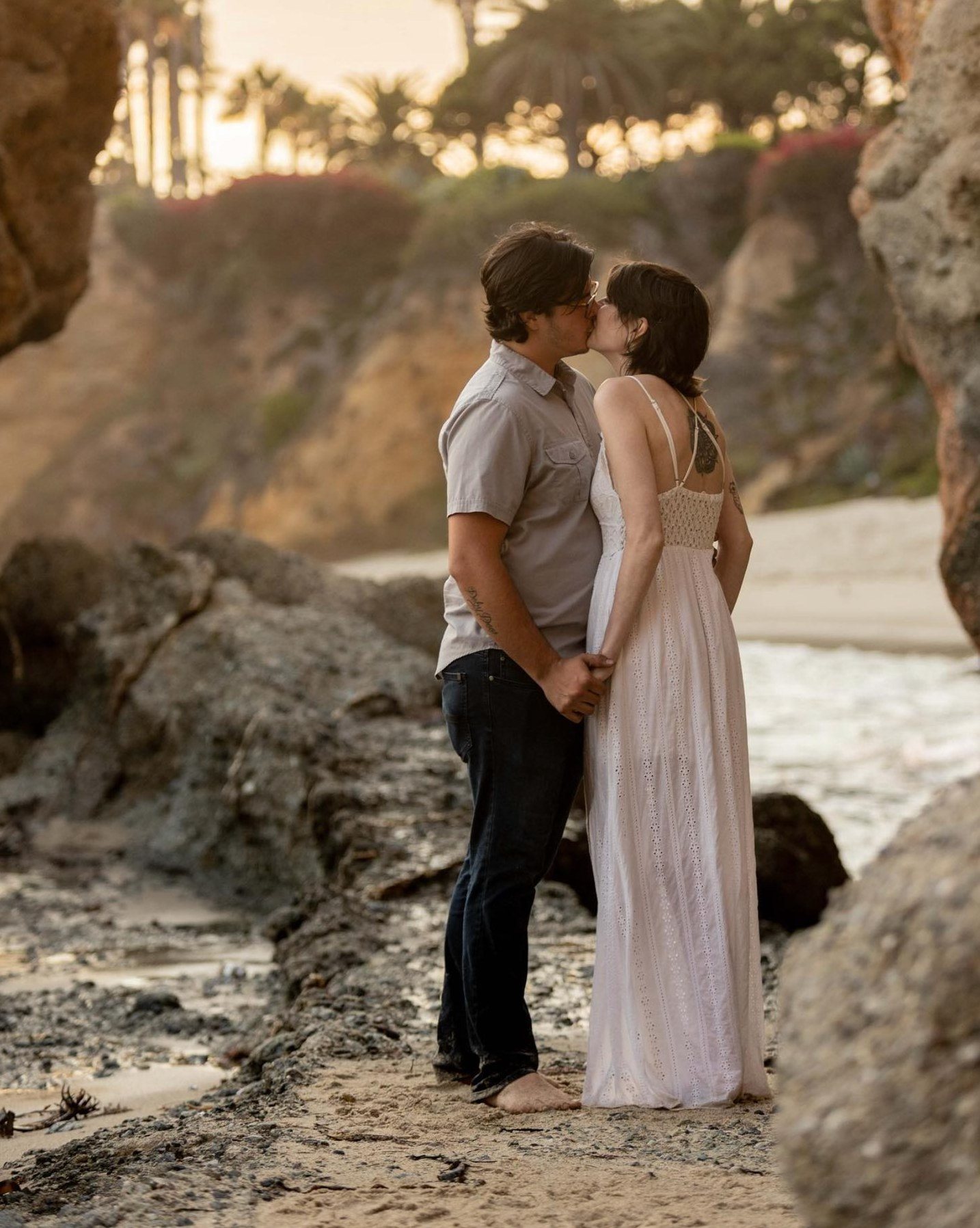
- Choose locations that look good both ways: textured cliffs, greenery and architecture hold up under overcast better than an open horizon.
- Bring a layer. Coastal evenings under a marine layer can feel cool and damp, especially for bridal parties in light fabrics.
Our guide to the best time of day for wedding photos goes deeper on building those windows into your day.
Backup plans for fog and drizzle
Most marine layer days are just gray. Occasionally the clouds sit low enough to produce mist or light drizzle, and dense fog can roll in close to the water.
- Ask your venue what its covered or indoor option looks like, and walk it with us if you can.
- Keep a few clear umbrellas on hand. They photograph well and let light through.
- Have hair and makeup plan for humidity, which can affect curls and setting products.
- Scout a sheltered spot near the ceremony site, like a courtyard or covered walkway, for portraits.