Style
What to wear for engagement photos in California
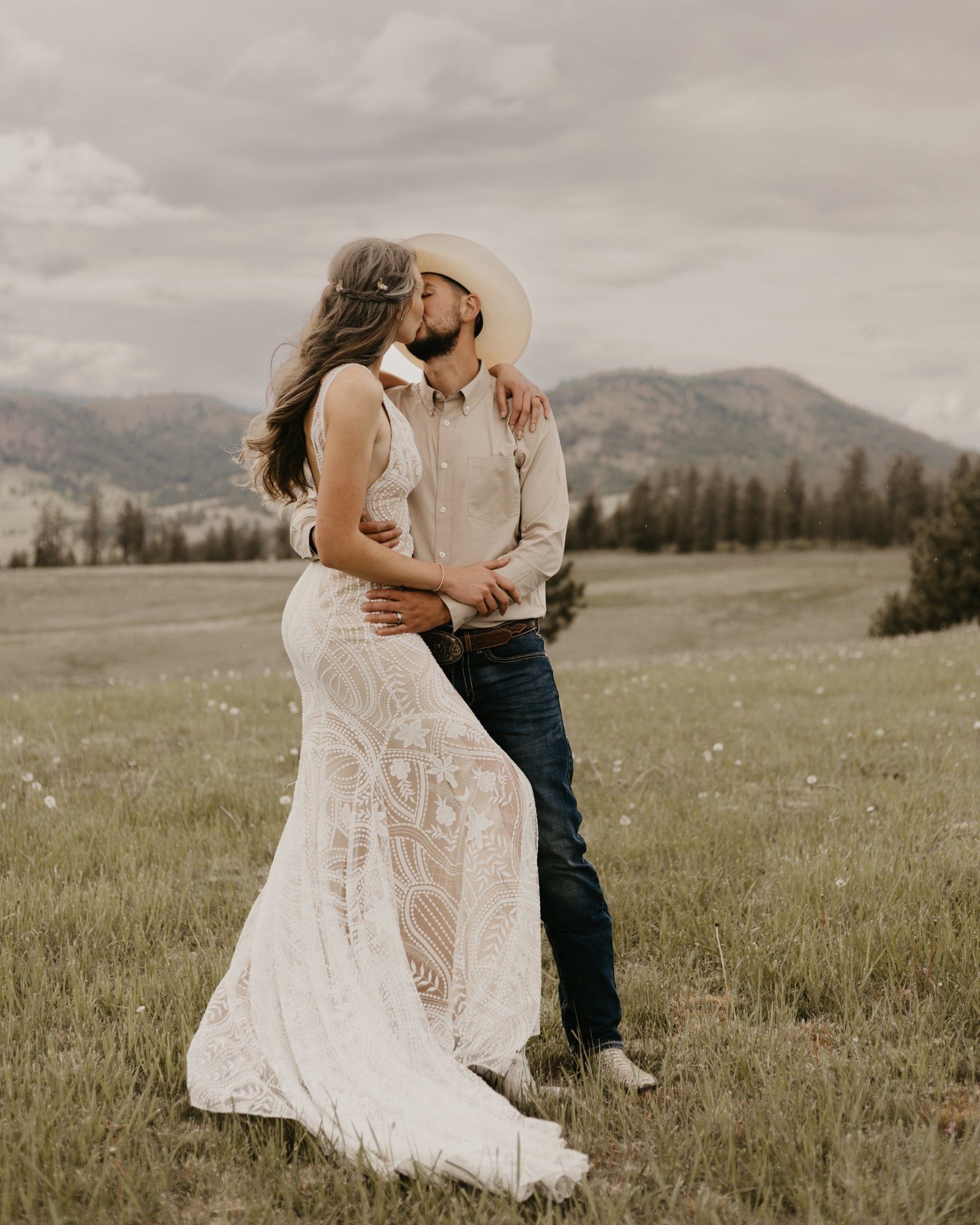
Your engagement session is often the first time you stand in front of our cameras together, and what you wear does more of the work than most couples expect. The right clothes help you relax, move naturally and look like yourselves. The wrong ones fight the wind, the light or the setting all afternoon. California makes this a little more interesting because a single session can mean sand, city concrete, desert dust or a pine trail. Here is how we help couples plan outfits for each, what colors hold up in coastal light, and how to split a session into two looks without losing time.
Beach sessions: fabrics that move
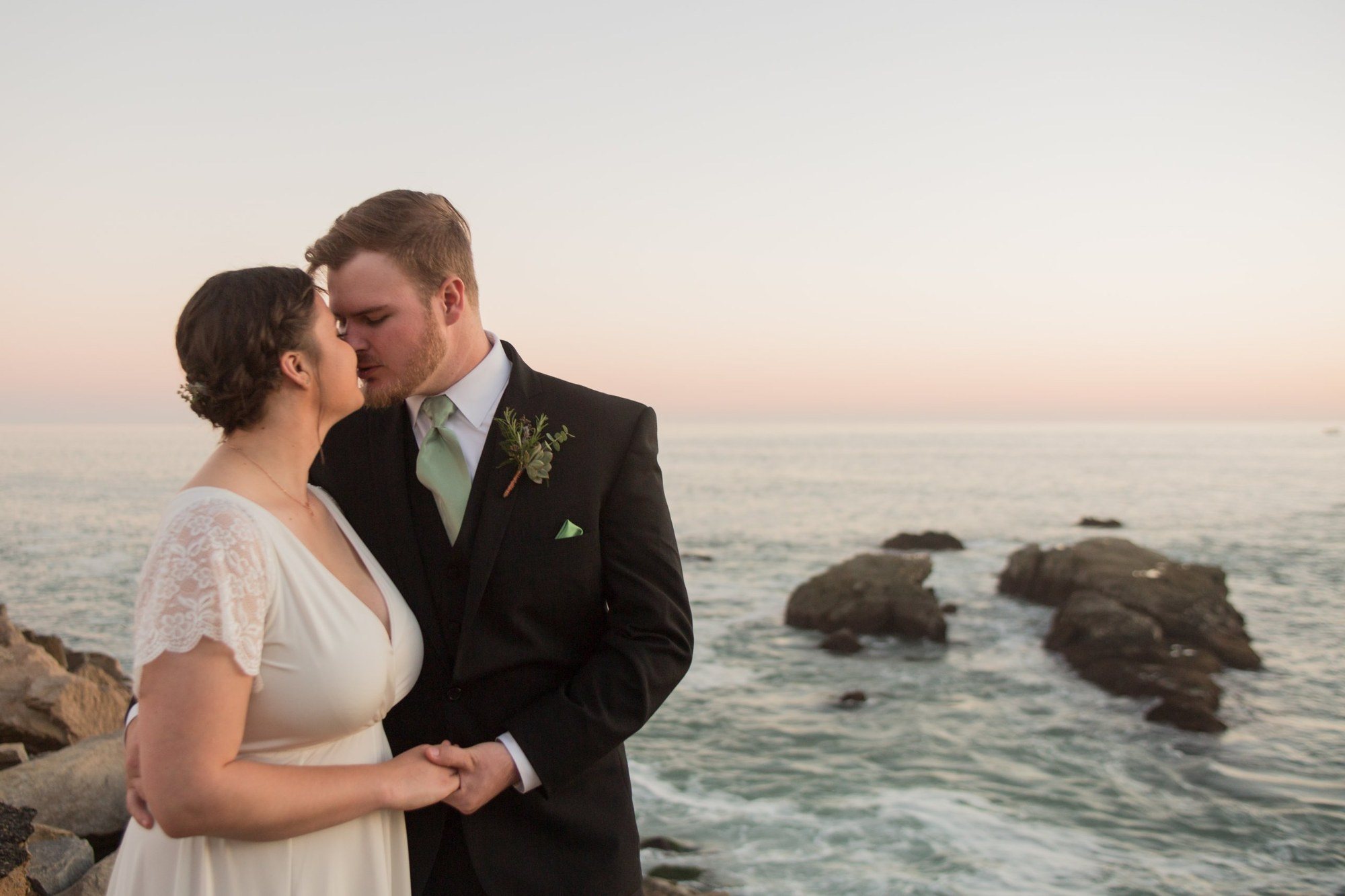
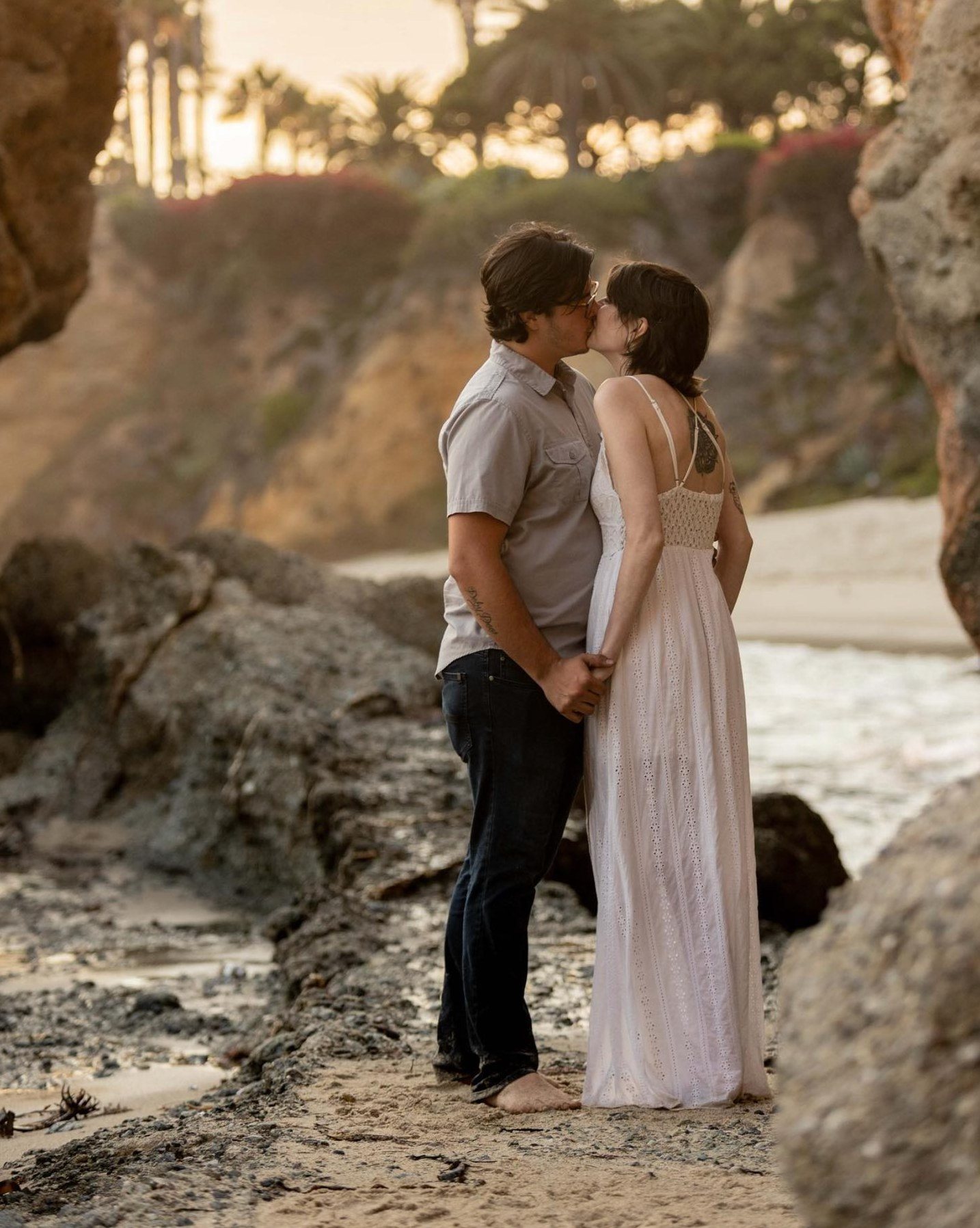
The coast is the most requested setting for our engagement sessions, and it rewards clothes with some movement. Flowing dresses, linen shirts and light knits catch the breeze in a way that looks easy instead of posed. Midi and maxi lengths are flattering when you walk along the waterline, and they hide the fact that you are standing in wet sand.
Plan for wind. Ocean breezes in Southern California pick up in the late afternoon, which is exactly when we like to shoot. Very short hems, stiff structured fabrics and loose hats can turn into a distraction. If you love a hat, bring it for a few frames and then let it go.
Rolled trousers or shorts work well for partners who want to wade in. A shirt left untucked or with sleeves pushed up reads relaxed and suits the setting.
City sessions: tailored and a little dressier
Downtown streets, rooftops and older neighborhoods with brick and stone ask for cleaner lines. This is the place for a fitted blazer, a slip dress, a good pair of trousers or a jumpsuit. Dark denim works too, as long as it fits well and is not faded.
Urban backgrounds are busy, so solid colors help you stand out from signs, murals and traffic. Black, cream, camel and deep green all hold up against concrete and glass. If one of you wants a bolder piece, keep the other in a quieter tone so the two of you read as a pair.
Desert sessions: warm tones and clean shapes
Palm Springs and the high desert give you wide, open space and a lot of warm color. Rust, terracotta, mustard, sage, cream and soft white sit naturally against sand and boulders. Bright blue and saturated pink can work in Palm Springs, where mid-century architecture brings its own bold palette, but they tend to clash with natural desert rock.
Desert evenings cool off fast once the sun drops, especially in winter and spring. A light jacket or knit you are happy to be photographed in saves the last part of the session. If you are planning a desert shoot, our guide to desert photos in Palm Springs and Joshua Tree covers heat, seasons and timing.
Mountain sessions: layers and texture
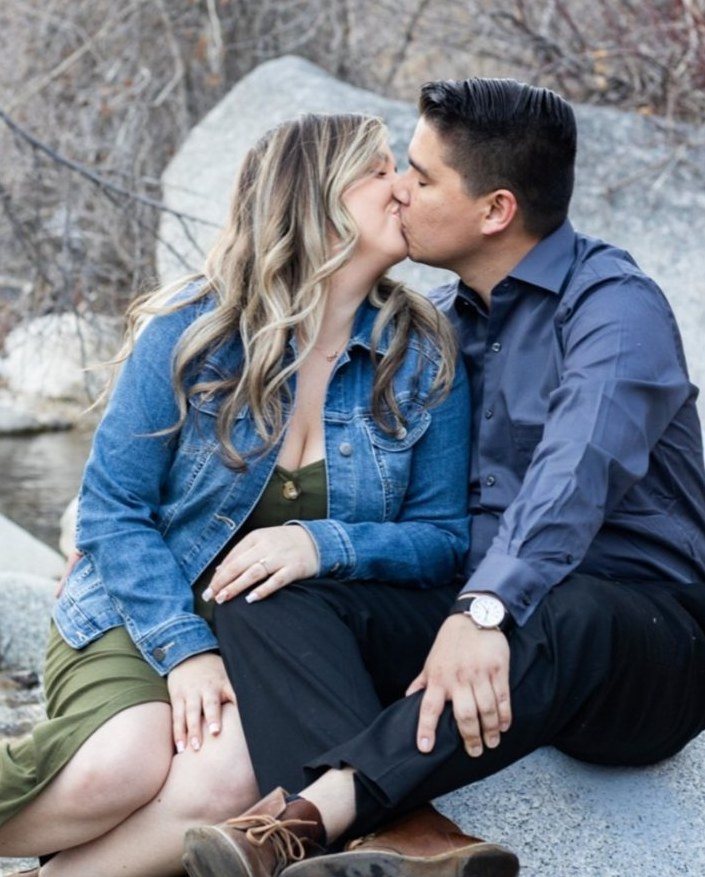
Mountain towns like Big Bear Lake call for layers. Sweaters, flannel, wool coats, long skirts with boots and darker jeans all look at home among pines and lake shores. Deep greens, burgundy, navy, charcoal and warm browns photograph well against evergreen trees.
Temperatures at elevation can be much colder than at the coast on the same day. Dress for the actual weather at the location, not for where you live, and plan a warmer outer layer that still looks good in photos.
Colors that photograph well in coastal light
Late-day light on the Southern California coast is warm and soft, and it often comes through a thin marine haze. That light is kind to most skin tones and most colors, but some choices work better than others.
- Soft neutrals: cream, oatmeal, sand and light gray glow in golden hour without washing out.
- Muted color: dusty blue, sage, blush and terracotta add color while staying gentle.
- Deep tones: navy, olive and burgundy give contrast against pale sand and sky.
- Use with care: neon, very bright white and large logos. Bright white can lose detail in strong light, and logos pull the eye away from your faces.
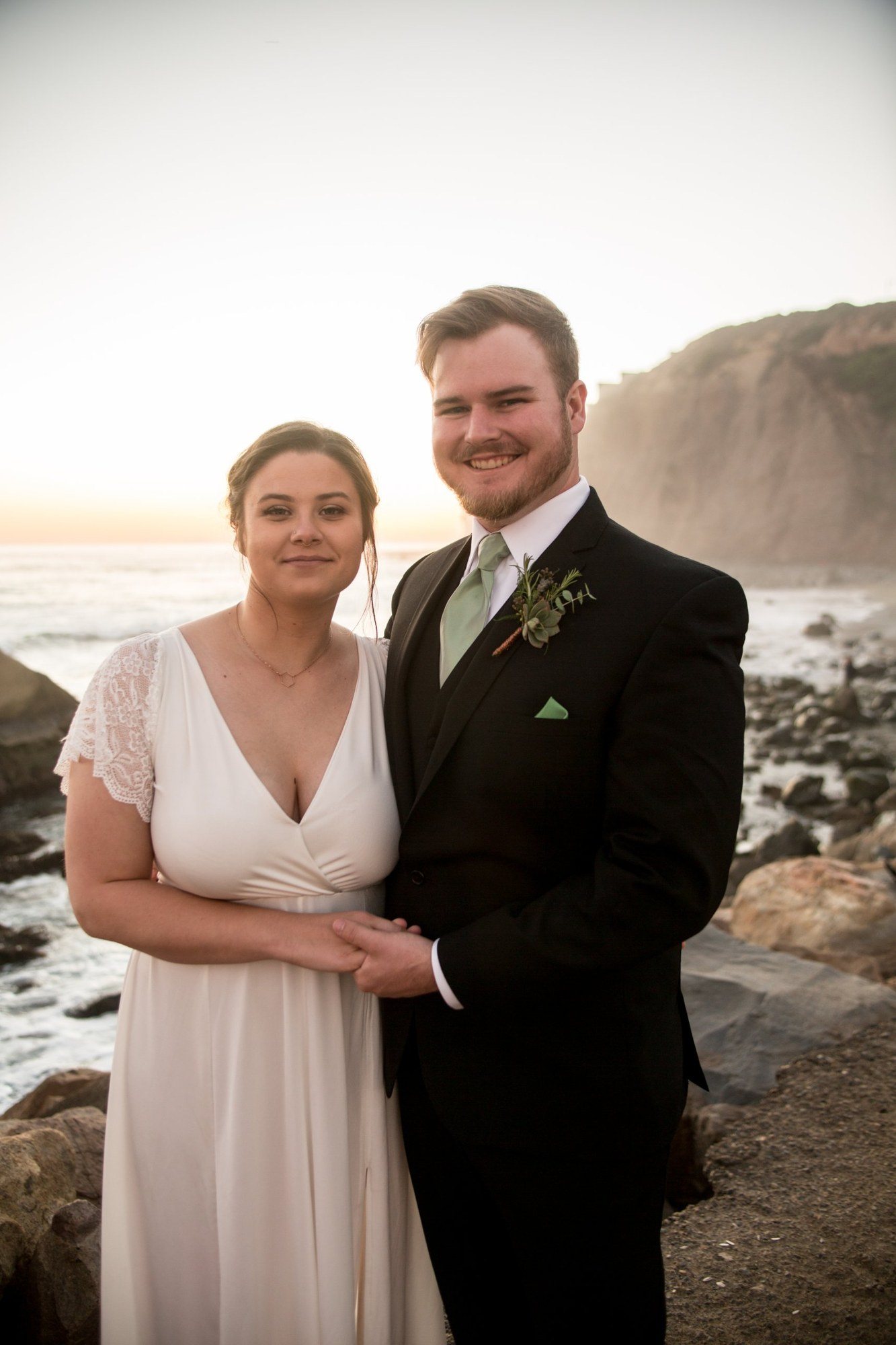
You do not need to match. Aim to coordinate: pick two or three colors that sit well together and split them between you. One of you in a soft neutral and the other in a muted color is a reliable combination.
Textures and patterns
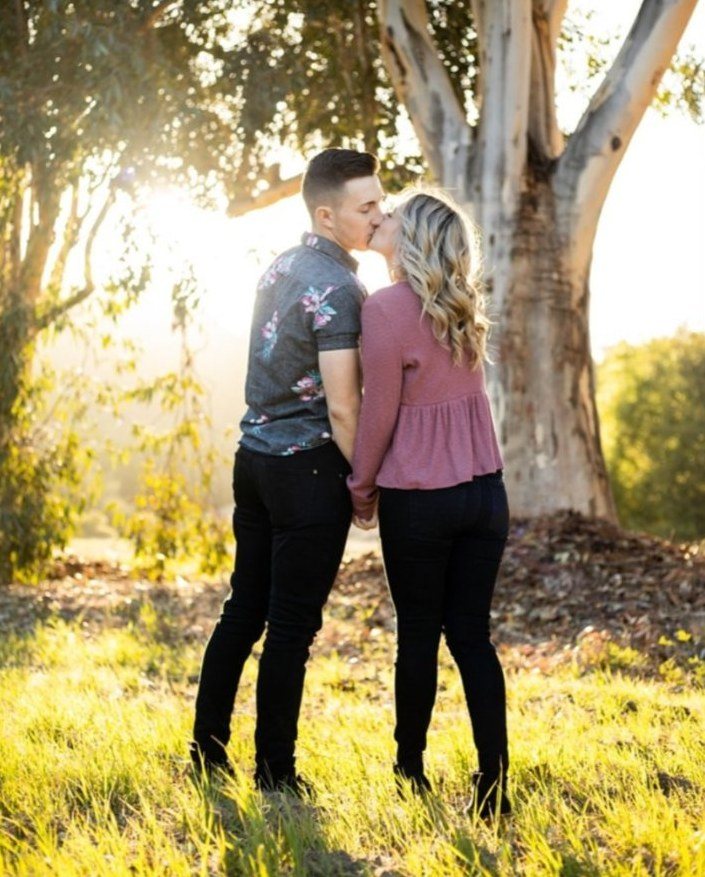
Texture is what makes simple clothes look rich in photographs. Linen, knit, suede, wool, chiffon and soft cotton all show depth in close portraits. Flat, shiny synthetic fabrics tend to look plain or reflect light in odd ways.
Small, tight patterns such as fine stripes or tiny checks can create a distracting shimmer on camera. Larger florals, wide stripes and subtle prints are usually fine. A good rule is one pattern between the two of you, with the other person in a solid that pulls a color from it.
Shoes for sand, trails and sidewalks
Shoes are where comfort and photos meet. On the beach, most couples end up barefoot, so bring sandals or slides for walking to the sand and a small towel for afterward. Heels sink into sand and make walking shots stiff.
For trails and desert rock, wear shoes you can actually hike in. Clean leather boots, low hiking boots or sneakers in a neutral color look good and keep you steady. If you want dress shoes in a few frames, carry them and swap them in for portraits near the car or trailhead.
In the city, a comfortable heel, block heel, loafer or clean sneaker all work. You will walk more than you think, so break new shoes in before the session.
A simple two-outfit plan
Two outfits give you variety without eating into the session. The most common plan we suggest is a casual look first and a dressier look second, so the dressier outfit lands during the best light near sunset.
- Look one: relaxed and comfortable, such as jeans and a knit, or a sundress and a linen shirt.
- Look two: dressier, such as a long dress and a blazer, or a slip dress and tailored trousers.
- Change spots: plan around your car, a nearby restroom or a hotel room. Changing takes about ten to fifteen minutes.
- Bring a bag: a lint roller, steamer or travel iron, bobby pins, water, blotting papers and a hanger.
If your session moves between two settings, such as city streets and then the beach, let the outfits follow the places. Our Orange County engagement location guide has ideas that pair well with a two-look plan.